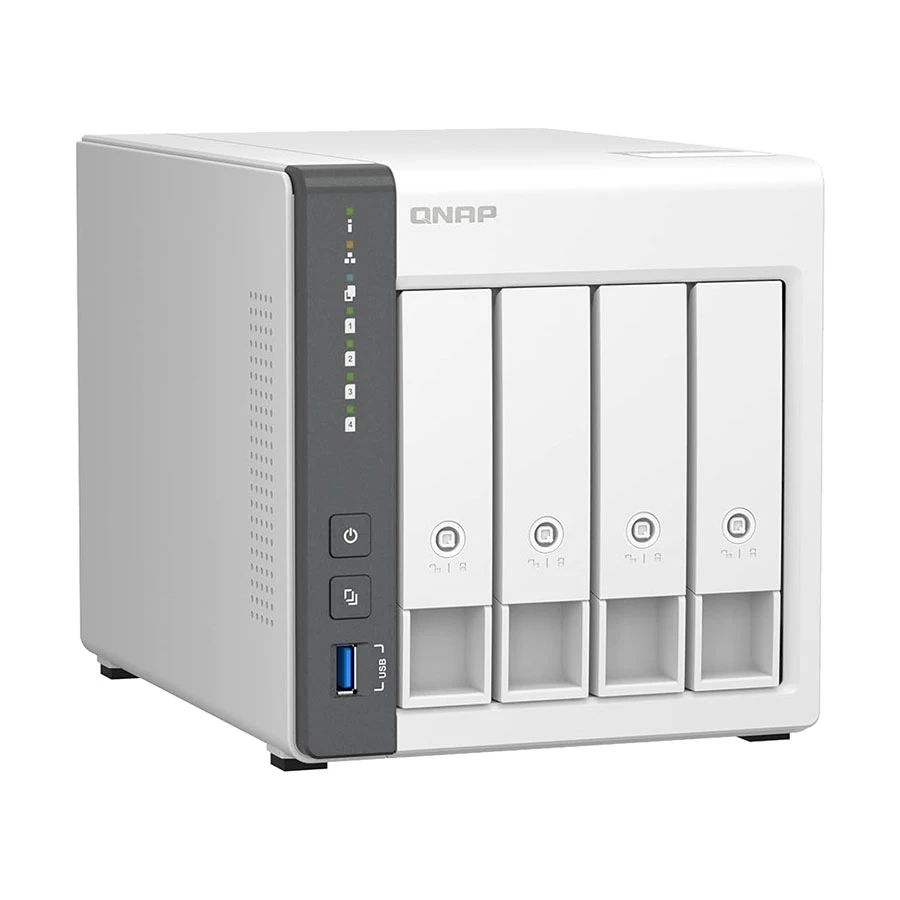
Best QNAP NAS Storage Solutions for Small Business and Home Users in 2026
QNAP NAS storage Solutions in 2026 | In today’s data-driven world, storage needs are growing faster than ever. From business files to family photos and 4K videos, both small business and home users require reliable, secure, and scalable storage solutions. In 2026, QNAP NAS storage continues to be a leading choice — offering powerful hardware, cutting-edge features, and a flexible software ecosystem at competitive prices.
Whether you are setting up your first home server or upgrading your company’s data infrastructure, understanding the best QNAP NAS options will help you make the right choice. In this detailed guide, we’ll cover the top QNAP NAS storage solutions for different use cases, explain why QNAP stands out, and show how pairing a NAS with the Best Computer enhances your storage experience.
Table of Contents
🌐 Why Choose QNAP NAS Storage in 2026
QNAP (Quality Network Appliance Provider) has established itself as one of the most trusted brands in network-attached storage. Unlike traditional external hard drives or cloud-only solutions, QNAP NAS storage gives you:
✔ Centralized Storage
All files — business documents, media, backups — are stored in one secure place accessible over your local network or the cloud.
✔ Advanced Features
QNAP’s QTS operating system supports virtualization, multimedia streaming, surveillance, container apps, file syncing, and more.
✔ Scalability
With options from 2-bay home models to enterprise-grade units with PCIe upgrades and expansion enclosures, QNAP NAS grows with your needs.
✔ Data Protection & Security
QNAP NAS devices offer RAID protection, snapshot backups, firewall, intrusion prevention, and encrypted access.
✔ Cost-Effective Over Time
Compared to recurring cloud storage fees, a single QNAP NAS can be more economical — especially with large data volumes.
💡 Why Pair QNAP NAS with the Best Computer
Storing your data in a QNAP NAS is only half the equation — the other half is how you access, manage, and use that data. This is where having the Best Computer makes a significant difference:
💻 Better Data Transfer Performance
Fast CPUs, SSDs, and high-speed interfaces on your computer mean quicker file transfers from QNAP NAS — especially for large video files or database backups.
💻 Optimized Workflows
Applications like video editing, virtualization management, or large dataset processing run smoother on a Best Computer when paired with a NAS for storage.
💻 Enhanced Productivity
Dual-monitor setups, faster response times, and better multitasking support make everyday tasks — from file syncing to remote access — more efficient.
Best Computer recommended specs for QNAP NAS users:
- Multi-core processor (Intel i5/Ryzen 5 or higher)
- 16GB RAM (minimum; 32GB+ for heavy workloads)
- SSD (NVMe preferred) for local storage + cache
- Gigabit Ethernet or higher (ideally 2.5GbE or 10GbE support)
- Dedicated GPU for video/multimedia tasks
By combining a QNAP NAS with the Best Computer, you create a powerful, seamless ecosystem for storage, backup, media streaming, and business workflows.
📊 How to Choose the Right QNAP NAS Storage
Before diving into specific models, here are the main criteria to consider:
🔹 Number of Bays
The number of drive bays determines how many hard drives/SSDs you can install.
- 2-bay NAS – Best for home users and small offices with modest storage needs.
- 4-bay NAS – Great balance for small business with multiple users.
- 6+ bays – Ideal for demanding workflows, larger backups, virtualization, or expansion.
🔹 Processor & RAM
Stronger CPUs and more RAM = faster performance, especially for multiple users, virtualization, or multimedia.
- Intel and AMD CPUs handle heavier tasks better than ARM processors.
🔹 Network Connectivity
- Gigabit Ethernet (1GbE) – Standard, good for most users.
- 2.5GbE / 10GbE – Provides faster speeds for large offices or media editing.
🔹 Application Needs
Do you need:
- Media streaming?
- Virtual machines?
- Surveillance recording?
- Business file sharing?
Choose NAS models that support these tasks without bottlenecks.
🏆 Top QNAP NAS Storage Solutions for 2026
Here are the best QNAP NAS models available in 2026 — ranging from affordable home options to powerful business systems.
🥇 1. QNAP TS-262 — Best Budget NAS for Home Users
Ideal for: Home storage, backups, photos, and family media libraries.
Key Features:
- 2 drive bays (HDD/SSD support)
- Real-time transcoding for media
- QTS multimedia apps
- USB 3.2 & HDMI outputs
- Quiet operation ideal for home environments
Why It’s Great:
The QNAP TS-262 balances performance and price, making it an excellent choice for home users who want reliable storage without complexity.
Benefits:
- Easy setup with QTS
- Protects family data with RAID 1
- Stream music/video to smart TVs or mobile devices
Pairing Tip:
Connect your QNAP TS-262 to a Best Computer with a high-speed network adapter to maximize transfer speeds and manage backups effortlessly.
🥈 2. QNAP TS-464 — Best All-Around NAS for Small Business & Home
Ideal for: Small offices, shared storage, remote access.
Key Features:
- 4 drive bays with RAID support
- Intel Celeron quad-core CPU
- 2.5GbE networking
- QTS App Center for collaboration tools
- SSD cache support
Why It’s Great:
The QNAP TS-464 offers flexible storage, solid performance, and multiple apps — ideal for collaborative environments and mixed business/home use.
Benefits:
- Seamless file sharing
- Scalable storage for growing data
- Supports container apps like Docker
Pairing Tip:
Use with a Best Computer that supports 2.5GbE to take full advantage of higher network speeds — particularly useful for file transfers and virtual machines.
🥉 3. QNAP TS-873A — Best Mid-Range NAS for Business Workloads
Ideal for: Small businesses needing higher capacity, virtualization support, and faster performance.
Key Features:
- 8 drive bays with RAID support
- AMD Ryzen V1000 series CPU
- 2.5GbE x 2 built in
- PCIe expansion for 10GbE or NVMe cache
- Snapshot & backup solutions
Why It’s Great:
The QNAP TS-873A is built for business continuity. Its hybrid storage architecture lets you combine HDDs and SSDs for performance and capacity.
Benefits:
- Handles multiple business workloads
- Accelerated performance with SSD caching
- Supports virtual machines and containers
Pairing Tip:
Pair this with a Best Computer optimized for virtualization (high RAM & CPU cores) to manage VMs directly from your desktop.
🏅 4. QNAP TVS-872XT — Best High-Performance NAS for Creatives & Pros
Ideal for: Video editors, designers, studios with heavy multimedia workflows.
Key Features:
- 8 bays with Thunderbolt 3 & 10GbE connectivity
- Intel Core i5/i7 options
- Up to 64GB RAM
- PCIe slots for expansion
- SSD cache acceleration
Why It’s Great:
The QNAP TVS-872XT is a powerhouse — combining blazing connectivity, expandability, and performance for demanding applications like 4K/8K editing and large datasets.
Benefits:
- Fastest data transfers
- Thunderbolt for direct editing
- High stability for production environments
Pairing Tip:
Use a Best Computer with Thunderbolt 3/4 to unlock maximum performance — perfect for real-time editing and rendering directly from NAS storage.
🌟 5. QNAP TS-677X — Best for Virtualization & Business Continuity
Ideal for: Businesses needing advanced virtualization and robust storage.
Key Features:
- 6 drive bays
- AMD Ryzen embedded CPU
- 10GbE ready (via expansion)
- Container Station & Virtualization Station
- Advanced snapshot protection
Why It’s Great:
The QNAP TS-677X excels in environments where multiple virtual machines, apps, and services run concurrently. It’s a valuable NAS for forward-thinking businesses.
Benefits:
- Runs multiple VMs locally
- Enhanced data protection
- Scales with business demands
Pairing Tip:
Pair with a Best Computer with virtualization-friendly specs (high RAM and CPU cores) to manage VMs without performance lags.
🔐 How to Get the Most from Your QNAP NAS Storage
Owning a NAS is just the beginning — optimizing it makes all the difference:
📌 1. Configure RAID for Data Protection
Choose the appropriate RAID level:
- RAID 1 – Mirror for safety (2 bays)
- RAID 5/6 – Best balance for larger arrays
Redundancy protects you from drive failure.
📌 2. Use SSD Caching
Adding SSDs for cache dramatically improves random access and speeds when serving many users.
📌 3. Regular Backups
A NAS itself should be backed up — use cloud sync or remote NAS replication for disaster recovery.
📌 4. Enable Snapshots
Snapshots protect against accidental deletion or ransomware — especially valuable for business data.
📌 5. Secure Your NAS
Enable firewall, VPN access, and two-factor authentication to keep your data safe.
📌 6. Update Firmware Regularly
QNAP releases frequent DSM updates that improve performance, add features, and patch security issues.
📈 QNAP NAS vs Cloud Storage — Which Is Better in 2026?
With cloud storage becoming more popular, many wonder if NAS is still relevant. Here’s how QNAP NAS stacks up:
⚡ Speed
NAS offers faster local access than downloading from the cloud — especially with high-speed networks.
🔒 Control
NAS keeps your data physically under your control — no third-party storage provider accessing your files.
💰 Cost
Over the long term, NAS is usually cheaper than perpetual cloud subscription plans — especially for large file storage.
🔄 Features
QNAP NAS offers apps, VMs, surveillance management, media servers — things cloud storage doesn’t natively offer.
In 2026, both NAS and cloud can coexist — but for private, secure, and scalable storage solutions, QNAP NAS storage remains unbeatable for many users.
📌 Final Thoughts — Choose Smart for 2026
Data storage is an essential part of digital life — whether in business or at home. QNAP NAS storage solutions offer flexible, scalable, and powerful options for everyone:
🌟 From budget models like the TS-262 to pro-grade systems like the TVS-872XT and TS-873A, there’s a NAS for every need and budget.
💻 And when you combine your NAS with the Best Computer — equipped with a fast CPU, SSDs, and high-speed networking — you unlock unmatched performance, faster workflows, and seamless data management.
2026 is a year of smarter storage. Choose the right QNAP NAS, pair it with the right hardware, and transform how you work, create, and protect your data.